After a long at-bat, the next hitter swings early
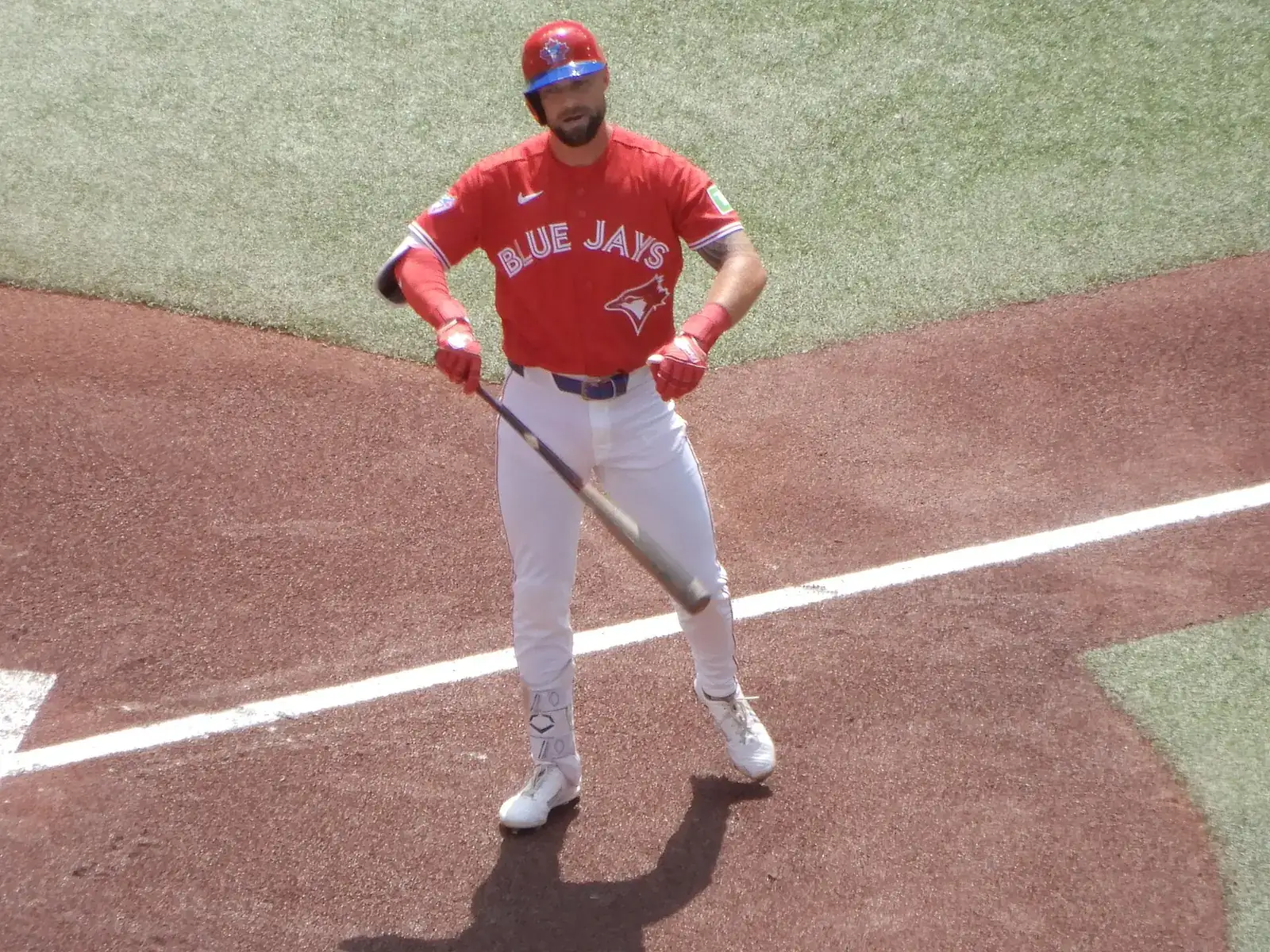
A grinding at-bat doesn't set up the guy behind him. The next hitter walks less and swings at the first pitch more often.

Part 6 found that the next hitter does a little worse after a long at-bat. The obvious question is what’s actually going on. Is the pitcher tired or changing his approach, or is the hitter doing something different?
What this article found
- First meeting: does a hitter do worse the first time he ever faces a pitcher?Not really. Hitters do look a little worse the first time they face a pitcher, but most of that is rookies and call-ups facing new arms, not a "first look" effect.
- Is clutch hitting a real skill?Not a big one. A hitter's clutch edge one season doesn't predict the next beyond chance. A stable clutch skill of any size that matters is ruled out, though a very small one isn't.
- After a long at-bat, does the pitcher's first pitch change before the hitter swings?Yes, after a quick at-bat. After a one-pitch at-bat, the pitcher is about 5 points more likely to start the next hitter with a fastball. After longer at-bats the first pitch barely changes.
You've read your 5 free articles this month
Here's the answer. Members also get how we got there:
- 1 chart
- 2 more questions tested in this article
Members read every article with no monthly limit. Plans start at $6 per month, half the regular $12, until Opening Day 2027.
Members also build their own charts, download the data from every leaderboard, can gift any article to a friend, and vote on what we test next.